
Before you use any health product on your body, you deserve to know exactly what's in it. That is a fair expectation. ArcticZen uses a blend of botanical ingredients chosen for joint health support.
This article covers every named ingredient in detail. We look at what each one is, where it comes from, and what research says about it. We also address the ingredients that are not publicly listed.
ArcticZen is manufactured by Nutriomo Labs Pte Ltd in a GMP-certified facility in the USA. That is the foundation for understanding the quality behind these ingredients.
Why ArcticZen Uses Botanical Ingredients — The Philosophy Behind the Formula
ArcticZen relies on plant-based ingredients. This is not accidental. Botanical extracts have been used in traditional medicine for thousands of years. Modern science is now studying many of these plants in clinical settings.
When a plant has both a long history of traditional use and clinical research behind it, that combination is meaningful. It means the ingredient has been tested by time and by science. ArcticZen chose its ingredients with this philosophy in mind.
Plant-based compounds also have specific properties that suit transdermal delivery. Many botanical extracts have molecular structures that allow them to pass through skin layers. This makes them a logical choice for a patch-based formula.
ArcticZen uses nine ingredients in total. Three are publicly named. The remaining six are part of a proprietary blend. All nine are manufactured under GMP standards in the USA. Think of the formula like a recipe. Each ingredient has a specific job. Together, they form a complete system.
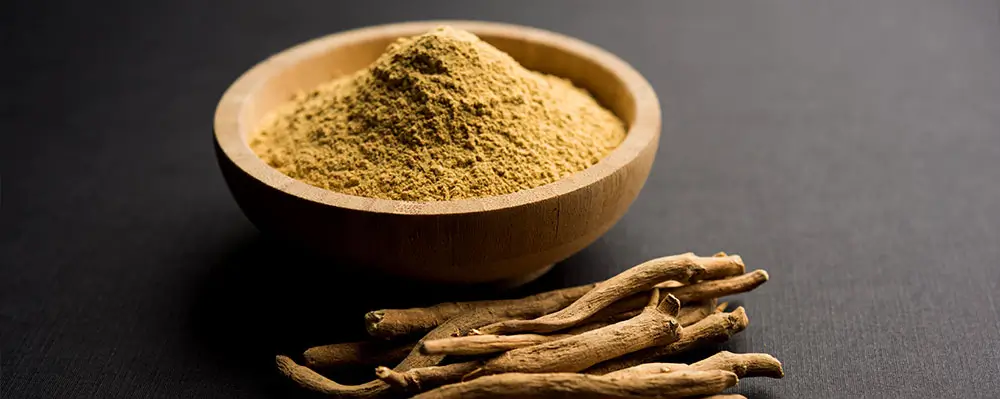
Here is a clear overview of what ArcticZen contains.
Named Ingredients (3):
• Wormwood (Artemisia absinthium)
• Special Ginger Extract (Zingiber officinale)
• Safflower Extract (Carthamus tinctorius)
Proprietary Blend (6):
• Not individually disclosed by the manufacturer
• Described as "safe and effective"
• Manufactured under GMP-certified standards in the USA
The manufacturer does not publicly list the names or amounts of the remaining six ingredients. This is a common practice in the supplement and health product industry. Companies use proprietary blends to protect their formulations from being copied by competitors.
It is important to state this openly. Not disclosing all ingredients is legal and widely practiced. However, consumers deserve to know this upfront. The three named ingredients are the ones backed by specific research references on the product page. Now let's look closely at each one.
What Is Wormwood?
Wormwood is a flowering herb. Its scientific name is Artemisia absinthium. It belongs to the Asteraceae family — the same family as daisies and sunflowers. The plant has silver-grey leaves and a strong, bitter aroma. Herbalists have used it in medicine for centuries.
In ArcticZen, Wormwood appears in extract form. This means the active compounds are concentrated from the raw plant material. Extract form delivers more potent compounds than using the raw herb alone.
Where Does ArcticZen's Wormwood Come From?
According to the manufacturer, ArcticZen sources its Wormwood from the desert regions of the Middle East. Arid climates create specific growing conditions. These conditions affect the concentration of the plant's active compounds.
Geographic sourcing matters for botanical ingredients. Soil type, temperature range, and rainfall levels all influence a plant's compound profile. Middle Eastern Wormwood is known for high concentrations of bitter sesquiterpene lactones. These are the compounds most associated with its medicinal properties.
Wormwood in Traditional Medicine
Wormwood has one of the longest medicinal histories of any plant. Ancient Egyptian medical texts document its use thousands of years ago. Greek physicians, including Dioscorides, described it for inflammation and pain. Roman soldiers reportedly used it for muscle fatigue during long campaigns.
European folk medicine used Wormwood for joint inflammation, digestive complaints, and fever. Chinese traditional medicine also records Artemisia species for pain-related conditions. Different civilizations independently discovered similar uses for this plant. That pattern of repeated observation across cultures carries historical weight.
Traditional use is not clinical proof. It does not substitute for modern research. But it shows that consistent effects have been observed and documented across very long periods of time.
Key Active Compounds in Wormwood
Wormwood contains several important bioactive compounds. These molecules are responsible for its properties.
Absinthin and Artabsin: These are the primary bitter sesquiterpene lactones in Wormwood. Research has linked them to anti-inflammatory activity at the cellular level. They are the most studied compounds in the plant.
Flavonoids: Wormwood contains flavonoids including quercetin and rutin. These are widely studied plant compounds. They show antioxidant and anti-inflammatory properties in laboratory research. Quercetin in particular has been studied for COX enzyme inhibition.
Phenolic Acids: These compounds contribute additional anti-inflammatory properties to the overall compound profile of the plant.
One important distinction: Wormwood essential oil contains thujone — a compound that can be toxic in high concentrations. ArcticZen uses a Wormwood extract, not the essential oil. The extraction process significantly reduces or eliminates thujone. This distinction matters for safety and is worth noting clearly.
Clinical Research on Wormwood for Joint Health
The manufacturer references three clinical studies supporting Wormwood for joint health.
Study 1 — Randomized Double-Blind Controlled Trial:
According to the manufacturer, a randomized double-blind controlled trial was conducted on Wormwood. This is considered the gold standard of clinical research. In a double-blind trial, neither participants nor researchers know who received the active ingredient versus a placebo. This eliminates bias and produces more reliable results.
Study 2 — Osteoarthritis Study Involving 90 Adults:
A study of 90 adults with osteoarthritis reportedly showed that Wormwood reduced pain levels and improved joint mobility scores. Osteoarthritis is the most common form of joint disease among Americans over 50. A study focused on this condition is directly relevant to most ArcticZen users.
Study 3 — Clinical Rheumatology Journal Publication:
A placebo-controlled study on Wormwood was published in the Clinical Rheumatology journal. This is a peer-reviewed medical journal focused on joint and musculoskeletal conditions. Peer review means independent scientists evaluated the research before publication.
The manufacturer also states that Wormwood's pain-relieving properties are comparable to prescription drugs in the referenced studies.
Important qualifier: These studies are referenced by the manufacturer. The specific study titles and authors are not publicly listed on the product page. Consumers who want to review the research independently may search the Clinical Rheumatology journal or contact the manufacturer directly.
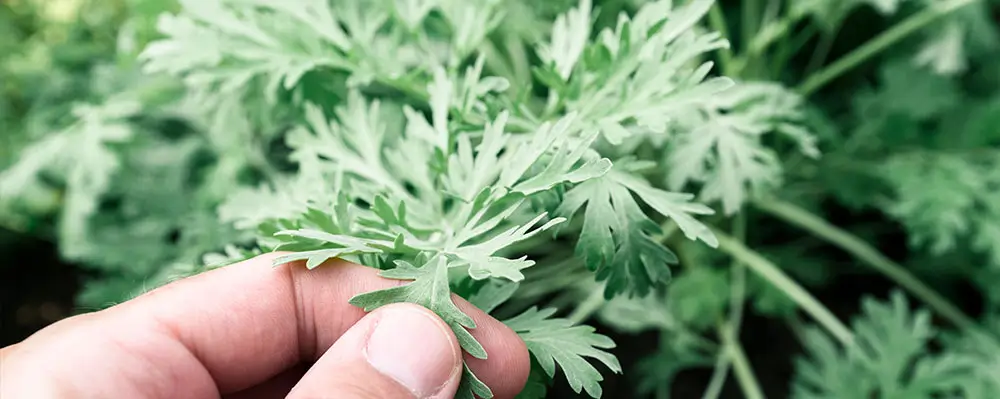
How Wormwood Works at the Compound Level
Wormwood's sesquiterpene lactones have been studied for their effect on pro-inflammatory molecules. Research suggests absinthin may inhibit specific inflammatory signaling pathways at the cellular level.
The flavonoid quercetin found in Wormwood has been studied for COX inhibitory properties. COX enzymes drive prostaglandin production. Prostaglandins are molecules that cause inflammation and pain signals. Inhibiting COX activity is also how common NSAIDs like ibuprofen function. Wormwood's flavonoids appear to work through a similar natural pathway.
What the Osteoarthritis Study Measured
The manufacturer describes a study of 90 adults with osteoarthritis. It reportedly measured two specific outcomes: pain levels and mobility scores. Both improved in the Wormwood group versus the placebo group.
Osteoarthritis causes joint cartilage to break down over time. It is the leading cause of joint pain in American adults over the age of 50. A study showing reduced pain and better mobility specifically in osteoarthritis patients is directly meaningful to this audience.
Why the Double-Blind Design Matters
The randomized double-blind design is significant. Here is what it means in plain terms.
"Randomized" means participants are randomly placed into groups. This prevents selection bias. "Double-blind" means neither the participants nor the researchers know who got the real treatment. "Placebo-controlled" means one group gets a fake treatment. If the active group does better, the result carries weight.
This study design produces the most reliable clinical evidence. Not all supplement research uses this rigorous method. The fact that a Wormwood study used this design adds meaningful credibility.
Putting the Prescription Drug Comparison in Context
The manufacturer claims Wormwood's effectiveness rivals prescription drugs based on referenced studies. This is a significant claim. As cited by the manufacturer, clinical comparisons support this finding.
Consumers should note context. Prescription drugs go through years of regulatory review. Clinical studies on botanical ingredients do not follow the same regulatory path. Both points deserve honest acknowledgment.
For a full explanation of how Wormwood functions in the working mechanism, see the dedicated ArcticZen How It Works article.
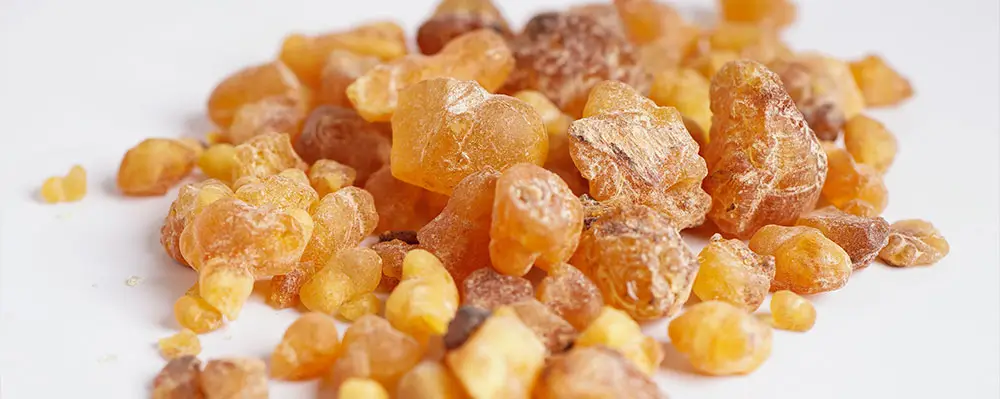
What Is This Ginger Extract?
Most people know ginger as a kitchen spice or a natural remedy for nausea. The ginger in ArcticZen is different. The manufacturer describes it as a special botanical variety — not the standard ginger root found in grocery stores.
The scientific genus is Zingiber officinale. But different varieties within this species produce different compound profiles. Specific growing conditions create specific concentrations of active medicinal compounds. This is why the variety and sourcing matter greatly for medicinal applications.
ArcticZen uses ginger in extract form. This is critical. Extract form concentrates the active compounds significantly. A ginger extract can contain many times the concentration of active compounds found in raw ginger root.
Where Does ArcticZen's Ginger Come From?
According to the manufacturer, this special ginger variety comes from bamboo forest regions of Asia. Dense bamboo forest environments create unique growing conditions. The shade, humidity, and soil composition in these areas differ from open farmland conditions.
These environmental factors affect the concentration of gingerols and shogaols — the two most important medicinal compounds in ginger. Plants grown in their native environment often produce stronger compound profiles. Environmental stress triggers the plant to produce more protective bioactive compounds.
Ginger in Traditional Medicine
Ginger has one of the most extensive traditional medicine records of any plant on Earth. Traditional Chinese Medicine has used it for over 2,000 years. TCM practitioners used ginger specifically for joint inflammation, pain, and circulation problems.
Ayurvedic medicine in India has an equally long record. Ayurvedic texts describe ginger as "vishwabhesaj" — meaning universal medicine. It was applied directly to inflamed joints in poultice form and taken internally for systemic inflammation.
European herbalism also records ginger use for arthritis and joint pain going back several centuries. Multiple independent medical traditions, spread across different continents, arriving at similar conclusions about ginger's properties is historically significant. It does not constitute clinical proof. But consistent observation across cultures is not coincidence.
Key Active Compounds in Ginger Extract
Ginger contains several well-studied bioactive compounds. In concentrated extract form, these are present at much higher levels.
Gingerols: These are the primary active compounds in fresh ginger. They give ginger its characteristic sharp taste. Gingerols have been extensively studied for anti-inflammatory and antioxidant properties. They are the most abundant active compounds in raw ginger.
Shogaols: These compounds form when gingerols are dried or processed. Shogaols are generally considered more potent than gingerols in anti-inflammatory research. The extraction and drying process converts some gingerols into shogaols. This increases the formula's overall potency.
Zingerone: This compound forms when ginger is heated. It has antioxidant properties and contributes to the overall bioactive profile of the extract.
Paradols: These are found in certain ginger varieties. Research has associated them with anti-inflammatory activity. Their presence depends significantly on the specific variety used.
The extract form in ArcticZen concentrates all of these compounds. Raw ginger from a grocery store contains these compounds at far lower levels than a concentrated botanical extract.
Clinical Research on Ginger for Joint Health
Ginger extract has the largest body of referenced clinical research of any ingredient in ArcticZen. The manufacturer cites multiple categories of studies.
9 Clinical Studies for Inflammation:
Nine clinical studies reportedly support ginger's ability to reduce joint inflammation. Studies in this category measured inflammatory biomarkers, including cytokines associated with joint conditions. Nine independent studies showing consistent results is a meaningful research volume.
3 Studies for Pain Relief and Mobility:
Three additional studies reportedly showed ginger extract improved pain levels and joint mobility scores. Mobility outcome metrics are particularly important in joint health research. Reduced pain alone is less meaningful than reduced pain combined with improved function.
2 Comparative Studies vs Conventional Painkillers:
Two studies reportedly compared ginger extract's effectiveness directly to conventional painkillers. The manufacturer states ginger performed comparably in these comparisons.
Important qualifier: The specific titles and authors of these studies are not publicly listed on the product page. Consumers interested in independent review may search ginger joint health research in PubMed or contact the manufacturer directly.
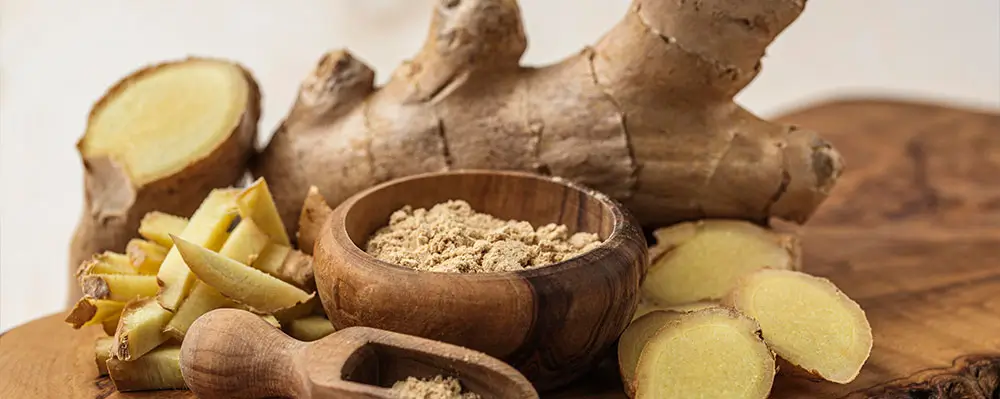
How Gingerols and Shogaols Work at the Compound Level
Gingerols and shogaols have been studied for their interaction with COX-2 enzymes. COX-2 drives the production of prostaglandins. Lower prostaglandin levels mean less inflammation and less pain signaling. This is the same enzyme pathway targeted by NSAIDs like ibuprofen.
Shogaols also show activity against LOX enzymes. LOX enzymes produce leukotrienes — another class of inflammatory molecules. Targeting both COX and LOX pathways is pharmacologically significant. Many pharmaceutical anti-inflammatory drugs only address one of these pathways. Ginger compounds appear to address both simultaneously.
Breaking Down the Nine Inflammation Studies
Nine referenced studies for a single botanical ingredient is a substantial body of evidence. In research methodology, multiple independent studies showing consistent results carry more weight than a single large trial.
The inflammation studies reportedly measured specific biomarkers. C-reactive protein (CRP) and interleukin-6 (IL-6) are two common markers of systemic inflammation. When studies show reductions in these markers, it indicates genuine biological activity — not just subjective symptom reporting.
The Painkiller Comparison Studies
Two comparative studies represent the most compelling research cited for ginger. The manufacturer does not name the specific painkillers used for comparison. In published ginger research, common comparators include ibuprofen and diclofenac.
A study showing comparable effectiveness to a conventional drug is significant. It does not mean ginger replaces medical treatment. It does suggest the compound operates through a pharmacologically meaningful pathway. This type of comparative research is rare for botanical ingredients.
Why Research Volume Matters
Nine studies mean nine different research teams observed consistent effects. Each additional study that reaches similar conclusions increases confidence in the findings. This is why the number of referenced studies matters — not just the results of a single trial.
For a detailed explanation of how ginger functions within ArcticZen's working mechanism, see the dedicated How It Works article.
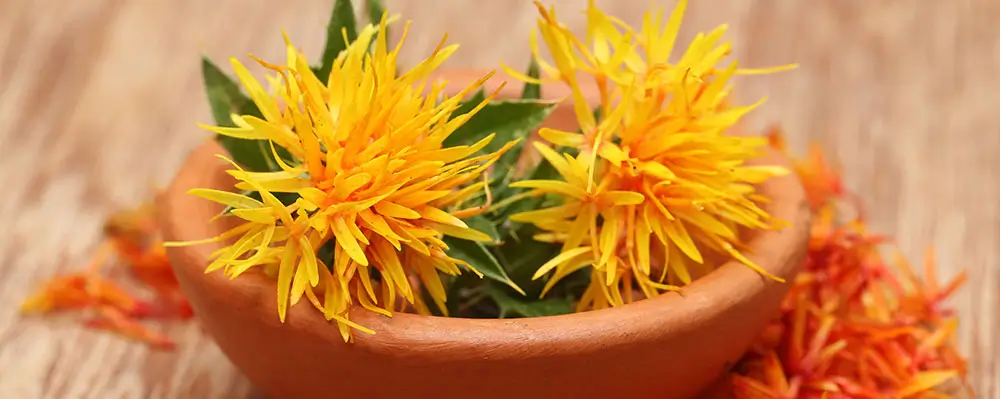
What Is Safflower?
Safflower is a flowering plant with bright orange and yellow flowers. Its scientific name is Carthamus tinctorius. It belongs to the Asteraceae family — the same family as Wormwood. Most people know safflower only as a cooking oil source. But its medicinal extract has a very different application and a growing body of research.
In ArcticZen, safflower is used as a concentrated extract. This is an entirely different thing from safflower cooking oil. Medicinal safflower extract isolates specific bioactive compounds that have anti-inflammatory and cellular health properties.
Where Does ArcticZen's Safflower Come From?
The manufacturer states that the safflower in ArcticZen is sourced from hot, dry desert regions. Arid growing conditions produce specific compound concentrations in the plant, just as they do in Wormwood.
Safflower has been cultivated for thousands of years across Egypt, the Middle East, and Central Asia. These hot, dry environments are where the plant originated and evolved. Plants grown in their native environment tend to produce stronger medicinal compound profiles than those grown in non-native agricultural settings.
Safflower in Traditional Medicine
Safflower is the least familiar of ArcticZen's three named ingredients to most Western consumers. But its traditional medicine record is deep and spans multiple cultures.
In Traditional Chinese Medicine, dried safflower flowers (known as Hong Hua) have been used for over 2,000 years. TCM practitioners applied it specifically for blood circulation, pain relief, and joint conditions. It was used in teas, topical preparations, and tinctures.
Ancient Egyptian records also document safflower use. Safflower was found in the tombs of pharaohs. Ayurvedic medicine used safflower as a warming herb for joint and muscle pain relief.
Western herbalism incorporated safflower in the 18th and 19th centuries for circulation and inflammation applications. Multiple independent medical traditions pointing to the same properties adds meaningful historical context. It does not replace clinical evidence. But consistent cross-cultural observation over centuries is worth noting.
Key Active Compounds in Safflower Extract
Carthamin: This is the primary bioactive compound in safflower flowers. It produces the plant's distinctive red pigment. Research has studied Carthamin for its anti-inflammatory properties and its effect on cellular signaling pathways.
Hydroxysafflor Yellow A (HSYA): This is considered the most pharmacologically significant compound in safflower extract. HSYA has been studied for vasodilatory effects — meaning it helps blood vessels relax and expand. This improves blood flow to tissues. Research has also linked HSYA to anti-inflammatory activity at the cellular level.
Linoleic Acid: Safflower seeds contain linoleic acid, an omega-6 fatty acid. In proper balance with omega-3 fatty acids, linoleic acid supports cellular membrane health and integrity.
Serotonin Derivatives: Safflower seeds contain serotonin-related compounds. These have been studied for their role in inflammatory signaling pathways.
Together, these compounds give safflower a multi-pathway approach to supporting cellular health in inflamed tissues.
Clinical Research on Safflower
The manufacturer references three specific journal publications for safflower extract.
Phytomedicine Journal:
Phytomedicine is a peer-reviewed scientific journal dedicated specifically to plant medicine research. Being published in Phytomedicine means the research passed review by plant medicine specialists. The manufacturer cites this journal in the context of safflower's cellular pathway properties.
National Library of Medicine:
The National Library of Medicine maintains PubMed — the world's largest biomedical literature database. When a study appears in NLM, it was published in a recognized medical journal and is publicly accessible. This reference signals that safflower research exists in the formal scientific literature.
Clinical Nutrition Journal:
Clinical Nutrition is a peer-reviewed journal publishing research on nutritional compounds and health effects. A safflower study here examines the compound's biochemical properties and physiological outcomes. This journal connects safflower to formal nutritional science research.
Important qualifier: These journals are referenced by the manufacturer. The specific study titles are not listed on the product page. Consumers may search "Carthamus tinctorius anti-inflammatory" or "safflower HSYA" directly in PubMed for free access to relevant published research.
The Phytomedicine Journal Reference
Phytomedicine is one of the most respected publications in botanical medicine. It is indexed in major medical databases including Medline. Studies in Phytomedicine go through rigorous peer review by specialists in plant-based medicine and pharmacology.
The manufacturer cites Phytomedicine in the context of safflower's cellular pathway effects. Cellular pathway research examines how a compound interacts with specific biological processes inside cells. This type of mechanistic research is more precise than general observations of clinical outcomes.
The National Library of Medicine Reference
The National Library of Medicine is operated by the US federal government. Its PubMed database contains over 35 million research citations from thousands of biomedical journals worldwide. When the manufacturer references NLM for safflower, it points to research that is publicly accessible and independently indexed.
NLM does not conduct research. It indexes and makes available research conducted by scientists worldwide. A safflower study in NLM means it appeared in a recognized, indexed medical journal. You can search "safflower anti-inflammatory" or "Carthamus tinctorius" directly in PubMed at no cost.
The Clinical Nutrition Journal Reference
Clinical Nutrition publishes research on how specific compounds interact with human biology at a nutritional and biochemical level. A safflower study in this journal likely examines its fatty acid profile, antioxidant properties, or cellular membrane effects.
Safflower's linoleic acid content and its serotonin derivatives are active areas in clinical nutrition research. Studies in this journal examine dosage, bioavailability, and measurable physiological effects. This bridges traditional plant use with modern biochemical science.
What Three Different Journal References Signal Together
Having research cited across three journal types — plant medicine (Phytomedicine), general biomedical (NLM), and clinical nutrition (Clinical Nutrition) — is meaningful. It means safflower's properties have been examined from multiple scientific angles. Each journal represents a different research perspective. Together, they create a more complete scientific picture of the ingredient's profile.
Botanical Synergy Is Not a New Concept
Traditional herbal medicine has always used combinations of plants, not single herbs alone. The reason is botanical synergy. When two or more plant extracts work together, their combined effect can exceed what each one produces individually. This principle appears consistently across Chinese, Ayurvedic, and European herbal traditions. All three systems use multi-ingredient formulas as the standard approach.
How Each Ingredient Supports the Others
In ArcticZen, the three named ingredients are not arbitrary selections. Each one addresses a different aspect of the formula's function.
Wormwood brings sesquiterpene lactones and flavonoids. These compounds address initial inflammatory activity and pain signaling pathways. They work on the COX pathway that drives prostaglandin production.
Ginger extract brings gingerols and shogaols. These compounds target both COX and LOX inflammatory pathways simultaneously. They cover a broader range of inflammatory signaling than Wormwood does alone.
Safflower brings Carthamin and HSYA. These compounds support cellular pathway health and improve local blood flow to tissues. They address the tissue environment where inflammation accumulates and persists.
The three ingredients cover different biochemical angles of the same underlying problem. This is the functional logic behind combining them in one formula.
Why This Combination Suits Transdermal Delivery
Botanical compounds need specific molecular properties to pass through skin layers. Lipid solubility is the key factor. Compounds that are lipid-soluble can move through the skin's outer fatty layer and into the tissue beneath.
The bioactive compounds in Wormwood, Ginger, and Safflower all have molecular characteristics that support transdermal absorption. Their lipid-compatible properties allow penetration through the skin. This is one reason a botanical patch formula makes scientific sense specifically for these three ingredients.
What Is a Proprietary Blend?
ArcticZen contains nine ingredients. Three are publicly named. The other six are a proprietary blend. A proprietary blend means the manufacturer chose not to disclose the individual ingredient names or specific amounts.
This is legal under current US regulations. Many supplement and health product companies use proprietary blends. The primary reason is business protection. If a manufacturer discloses their exact formula and ratios, competitors can duplicate it exactly. The proprietary blend protects the unique combination.
What ArcticZen States About the Six
The manufacturer describes the six undisclosed ingredients as "safe and effective." All nine ingredients are manufactured in a GMP-certified facility in the USA by Nutriomo Labs Pte Ltd.
GMP certification means the facility follows quality control standards set by regulatory authorities. Ingredients are tested for identity, purity, and potency before production begins. USA manufacturing places the facility under FDA manufacturing regulations. This regulatory oversight applies to all ingredients — named and proprietary alike.
What This Means for You as a Consumer
Not knowing six of nine ingredients is a legitimate consumer concern. This article states that fact directly. If full ingredient disclosure matters to you before making a purchase, contacting the manufacturer directly is the appropriate step.
Nutriomo Labs Pte Ltd (N-Labs) is the company behind ArcticZen. Their company website is listed as N-labs.com. The three named ingredients are the ones with specific research references on the product page. The six proprietary ingredients support the formula but are not individually backed by disclosed study citations.
What GMP Certification Actually Means
GMP stands for Good Manufacturing Practice. It is a set of quality standards used in the manufacturing of health products. GMP guidelines cover facility cleanliness, equipment calibration, ingredient testing, and documentation practices.
A GMP-certified facility follows these standards consistently and undergoes third-party audits to verify compliance. For ingredients specifically, GMP certification means raw materials are tested for identity, purity, and potency before they enter production. Finished products also go through quality checks before leaving the facility.
What USA Manufacturing Means in Practice
ArcticZen is manufactured in the USA. US-based manufacturing facilities that produce health products operate under FDA regulations for manufacturing practices. These regulations require ingredient sourcing documentation, batch testing records, and facility inspections.
This regulatory environment provides a quality assurance layer that unregulated offshore manufacturing does not. It does not mean the FDA approved the product. It means the manufacturing process operates under a regulated and documented framework.
What Is Not Publicly Available — An Honest Disclosure
Transparency matters. Here is what is not publicly disclosed about ArcticZen's ingredients:
No Certificate of Analysis (CoA) is publicly available. A CoA is a laboratory document showing batch-specific test results for ingredient purity, potency, and identity. Publishing a CoA allows independent verification of what the product actually contains.
No third-party independent lab test results appear on the product page. Consumers who want independent verification of ingredient purity may contact the manufacturer directly.
Ingredient dosages and concentrations are not disclosed. The exact amounts of Wormwood, Ginger, and Safflower per patch are not publicly listed.
This level of non-disclosure is common in direct-to-consumer health products. Knowing this upfront helps you make an informed decision.
Why Delivery Method Affects Ingredient Performance
Even high-quality ingredients perform differently depending on how they enter the body. Oral bioavailability and transdermal bioavailability follow different pathways. The same compound can perform poorly when swallowed but effectively when delivered transdermally. This distinction is directly relevant to why ArcticZen uses a patch rather than a pill.
(For the complete explanation of ArcticZen's Smart Release Technology and delivery mechanism, see the dedicated How It Works article.)
Oral Bioavailability Challenges for Botanical Compounds
Many botanical compounds have poor oral bioavailability. When you swallow them, a significant portion is lost before reaching target tissue. Stomach acid degrades some compounds. The liver metabolizes others through a process called first-pass metabolism before they enter general circulation.
Gingerols, for example, have documented oral bioavailability limitations. Research shows that much of the active compound is metabolized before reaching useful systemic levels. This is a known limitation of standard oral ginger supplements sold in capsule form.
Why Transdermal Delivery Changes the Equation for These Ingredients
Transdermal delivery bypasses the digestive system entirely. Ingredients applied to the skin do not pass through stomach acid. They do not undergo first-pass liver metabolism. They absorb directly through the skin and concentrate locally in the tissue beneath.
For joint health specifically, local concentration is the goal. You want active compounds concentrated at the painful joint — not diluted throughout your entire bloodstream. Applying the patch directly over the affected joint achieves this local concentration. An oral supplement cannot replicate this targeted approach.
Why These Three Ingredients Suit Transdermal Application
Wormwood's sesquiterpene lactones, Ginger's gingerols and shogaols, and Safflower's Carthamin and HSYA all share molecular properties that support transdermal absorption. These compounds are lipid-soluble to degrees that allow them to pass through the skin's outer lipid-rich layer.
The extract form in ArcticZen concentrates these compounds. Higher concentration in the patch means a pharmacologically meaningful amount can penetrate the skin and reach the local joint tissue. This is the core reason extract form is used rather than raw powdered plant material.
Q1. What are the main ingredients in ArcticZen?
ArcticZen contains nine total ingredients. Three are publicly named: Wormwood (Artemisia absinthium), a special Ginger Extract (Zingiber officinale), and Safflower Extract (Carthamus tinctorius). The remaining six are part of a proprietary blend. All nine are manufactured in a GMP-certified facility in the USA by Nutriomo Labs Pte Ltd.
Q2. What is Wormwood and why is it used in ArcticZen?
Wormwood is a medicinal herb with the scientific name Artemisia absinthium. It has been used in traditional medicine for thousands of years across Egyptian, Greek, Roman, and European cultures. In ArcticZen, it is used in concentrated extract form. The manufacturer references clinical studies — including a placebo-controlled publication in the Clinical Rheumatology journal — in support of its role in joint health.
Q3. Is the ginger in ArcticZen the same as regular kitchen ginger?
No. The ginger in ArcticZen is described by the manufacturer as a special botanical variety. It is not the standard ginger root sold in grocery stores. It is sourced from bamboo forest regions in Asia. It is also used in concentrated extract form. This extract contains significantly higher concentrations of active compounds — gingerols and shogaols — than raw ginger root.
Q4. Where does the Wormwood in ArcticZen come from?
According to the manufacturer, ArcticZen's Wormwood is sourced from the desert regions of the Middle East. Arid growing environments produce specific compound concentrations in the plant. The geographic origin directly affects the potency of the active compounds — primarily bitter sesquiterpene lactones including absinthin and artabsin.
Q5. What is Safflower and what does it contribute to the formula?
Safflower is a flowering plant with the scientific name Carthamus tinctorius. It is widely known as a cooking oil source, but its medicinal extract has different properties. The extract contains bioactive compounds including Carthamin and Hydroxysafflor Yellow A (HSYA). These compounds have been studied for anti-inflammatory and cellular pathway support. ArcticZen uses medicinal safflower extract — not cooking oil.
Q6. How many total ingredients does ArcticZen contain?
ArcticZen contains nine total ingredients. Three are named on the product page: Wormwood, a special Ginger Extract, and Safflower Extract. The remaining six are part of a proprietary blend. The manufacturer describes all nine as safe and effective. All nine are produced under GMP-certified standards in the United States.
Q7. Are the ingredients in ArcticZen natural?
Yes. The three named ingredients are all plant-based botanical extracts. The manufacturer describes the formula as natural and free from toxic adhesives. ArcticZen is manufactured in a GMP-certified facility in the USA by Nutriomo Labs Pte Ltd. The proprietary blend also contains botanical ingredients, though their individual names are not publicly disclosed.
Q8. Are the ingredients in ArcticZen scientifically studied?
Yes. All three named ingredients have scientific research behind them. Wormwood is referenced in a placebo-controlled study in the Clinical Rheumatology journal and a double-blind trial. Ginger extract is cited in nine clinical studies for inflammation and three studies for pain and mobility. Safflower is referenced in the Phytomedicine journal, the National Library of Medicine, and the Clinical Nutrition journal. All references are provided by the manufacturer.
Q9. What is the proprietary blend in ArcticZen?
A proprietary blend means the manufacturer does not publicly disclose the names or individual amounts of certain formula ingredients. ArcticZen has six ingredients in its proprietary blend. This is a legal and common practice in the health product industry. It protects the formula from being duplicated by competitors. All six are described as safe and effective and manufactured under GMP-certified standards in the USA.
Q10. Does ArcticZen contain any synthetic chemicals?
The manufacturer describes ArcticZen as a natural, botanical formula. The three named ingredients are all plant-based extracts. The patch adhesive is described as free from toxic chemicals. However, the full ingredient list for the proprietary blend is not publicly disclosed. Consumers with specific chemical sensitivities should contact the manufacturer directly before use.
Q11. Are the ingredients in ArcticZen safe for sensitive skin?
One user in available testimonials mentioned a mild warming sensation during initial use — specifically noted for sensitive skin. The manufacturer states the product contains no toxic adhesives. For detailed safety information and potential reactions, see the dedicated ArcticZen Side Effects article. If you have known allergies to plants in the Asteraceae family — which includes Wormwood and Safflower — consult a healthcare provider before use.
Q12. Where are ArcticZen's ingredients sourced from?
According to the manufacturer, Wormwood is sourced from desert regions of the Middle East. The special Ginger Extract comes from bamboo forest regions in Asia. Safflower Extract is sourced from hot, dry desert regions. All three are processed into concentrated extracts and manufactured into patches at a GMP-certified facility in the USA.
Q13. Has Wormwood been studied specifically for joint pain?
Yes. The manufacturer references three studies for Wormwood and joint health. These include a randomized double-blind controlled trial, a study involving 90 adults with osteoarthritis that reportedly showed reduced pain and improved mobility, and a placebo-controlled study published in the Clinical Rheumatology journal. These citations are provided by the manufacturer. Independent verification is recommended for research purposes.
Q14. Why does ArcticZen not disclose all nine ingredients?
The six undisclosed ingredients form a proprietary blend. Manufacturers use proprietary blends to protect their unique formulations from being replicated by competitors. This is a legal and widely used practice in the US health product industry. GMP certification ensures all ingredients — named or proprietary — meet quality and safety manufacturing standards. Consumers who need the full ingredient list for medical or allergy reasons may contact Nutriomo Labs Pte Ltd directly through N-labs.com.
Disclaimer: This article is for informational purposes only. It presents ingredient information as described by the manufacturer and referenced research sources. This content does not constitute medical advice. Individual results will vary. Always consult a qualified healthcare professional before beginning any new health product, especially if you have allergies, existing medical conditions, or currently take prescription medications.
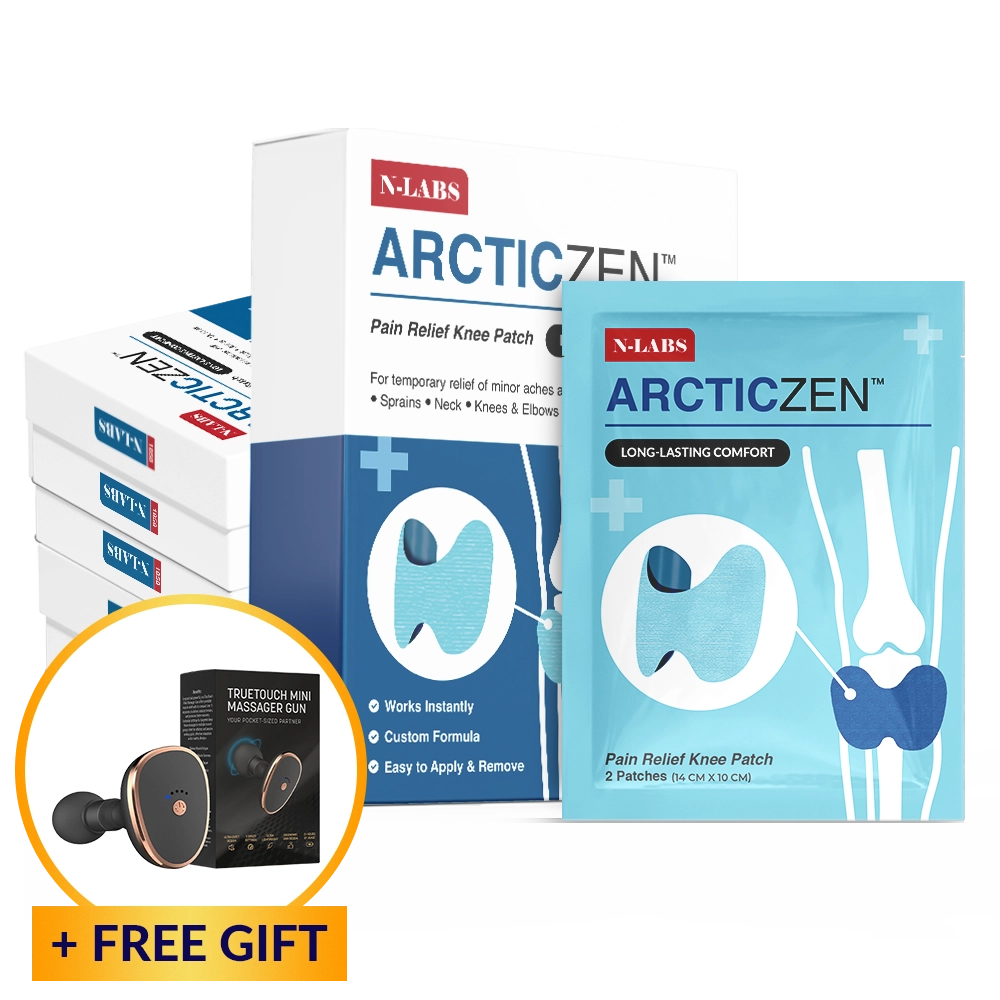
GMP-Certified, USA-Manufactured Formula
Botanical Ingredients: Wormwood, Ginger Extract, Safflower Extract
Secure 256-bit Encrypted Checkout
Fast & Free Shipping on Every Order
Only Available Through the Official Site
By clicking on the "Order Now" button for ArcticZen, located just below this text, you will be directed to a secure checkout page. Simply enter your information and you will then have immediate access to the ArcticZen joint pain patch.
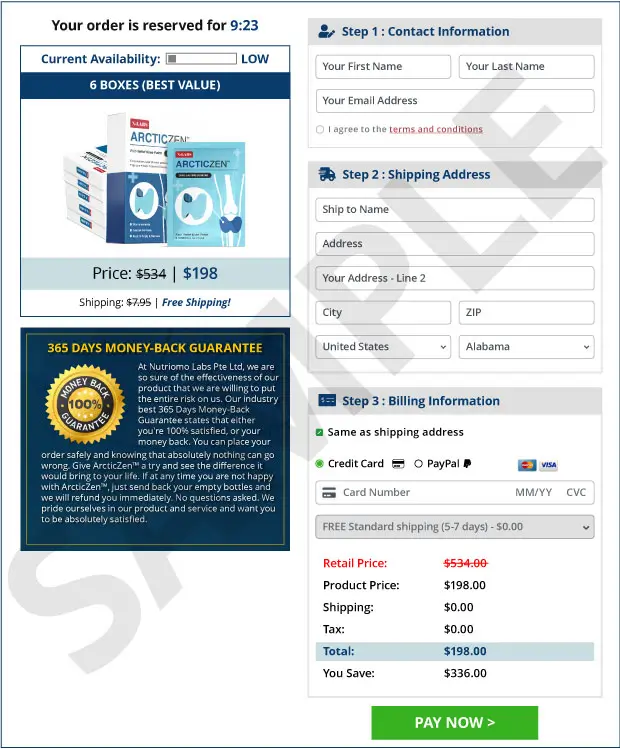
When you make a purchase of ArcticZen from us, you can be confident that your online privacy is a top priority for us. We take care to ensure that your sensitive information is protected during the checkout process.
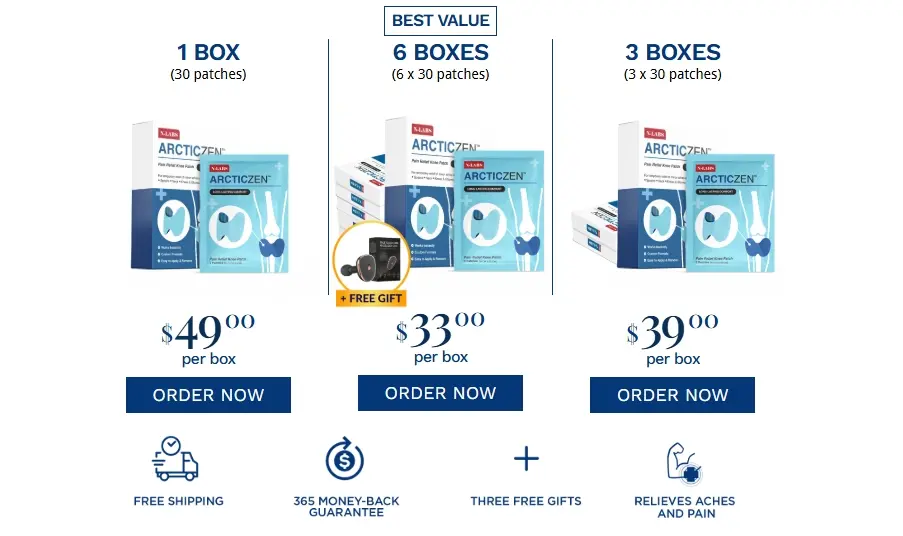
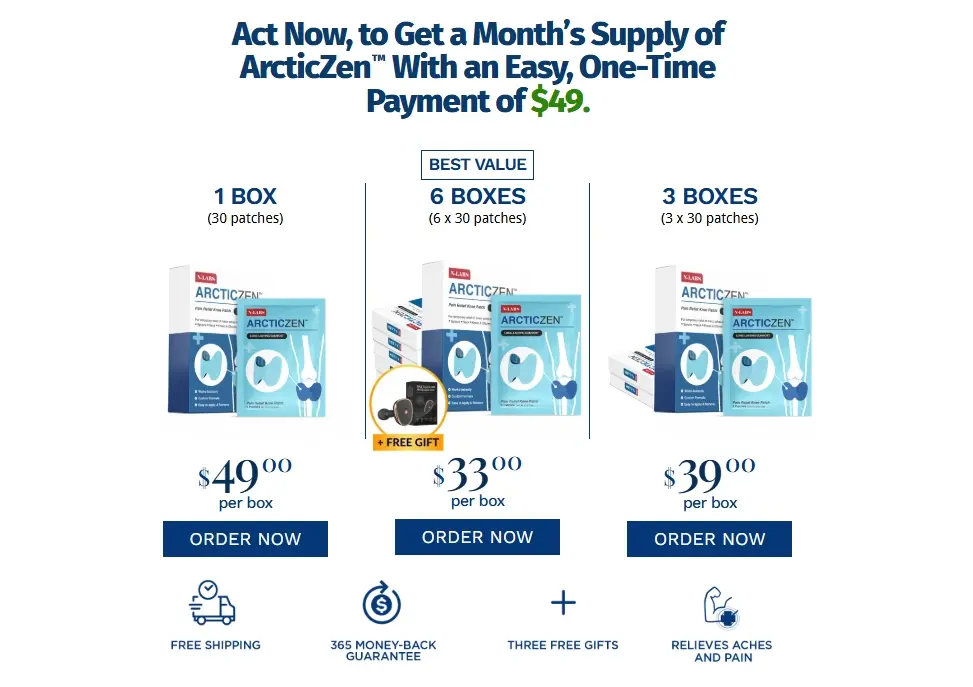
ArcticZen is available at the official site. Visit the product page for current pricing and bundle options. Orders ship fast with free shipping available.
Secure your ArcticZen supply while stocks last.
If you are not completely satisfied with ArcticZen, you can request a refund by sending an email to the address provided within the product. We will promptly refund your purchase amount according to the terms stated on the official product page.
Now that you know the ingredients, see exactly how ArcticZen uses them to support joint health — or check out the full list of ArcticZen benefits.
All content and information on this site is for informational purposes only and is not intended to diagnose, treat, cure, or prevent any disease. The FDA has not evaluated the statements made on this website. Always consult a licensed healthcare provider before taking any supplement or starting any health routine. Individual results may vary.
This site may display third-party trademarks and product names for informational and promotional purposes. We may receive compensation from purchases made through affiliate links.
Nutriomo Labs Pte Ltd Disclaimer:
Nutriomo Labs Pte Ltd is the manufacturer of ArcticZen. All ingredient and formula information cited on this page is sourced from manufacturer-provided materials. Nutriomo Labs Pte Ltd's role as manufacturer does not constitute an endorsement, approval, or review of third-party statements made on this website.
🏠 What is ArcticZen?
⭐ Honest ArcticZen Review
⚙️ How ArcticZen Works
🧪 What's Inside ArcticZen
💚 ArcticZen Benefits
⚠️ Side Effects & Safety
💰 Money-Back Guarantee
🛒 Order ArcticZen Now